3D exhibitions are redefining how products, art, statues and models are presented.
Audiences today expect more than static displays. They want depth, clarity and experience.
That shift is why 3D exhibitions are becoming the preferred choice for brands, institutions and exhibition planners. Instead of relying only on physical objects or flat visuals, 3D exhibitions use technology to help visitors understand what they are seeing in a more engaging way.
At Trzy X, we help plan and deliver 3D exhibitions by providing the right technology, in-house solutions like Holobox and custom setups for both temporary events and permanent installations.
What Are 3D Exhibitions
3D exhibitions use three-dimensional visual technology to present products, models, artworks, or concepts in a more immersive format.
These exhibitions allow visitors to:
- View objects with depth and proportion
- Understand scale and design clearly
- Engage with displays for longer durations
- Experience concepts that may not exist physically
This makes 3D exhibitions more effective than traditional display methods.
Why Traditional Exhibitions Are No Longer Enough
Traditional exhibitions often depend on static displays, printed panels, or physical prototypes. While informative, they have limitations.
Common challenges include:
- Fixed viewing angles
- Limited storytelling
- Difficulty explaining complex products or designs
- Lower visitor engagement
3D exhibitions solve these challenges by adding movement, depth and clarity to the display experience.
Where 3D Exhibitions Are Used
3D exhibitions are now widely used across industries and spaces. At Trzy X, we support 3D exhibitions for:
Product Launches
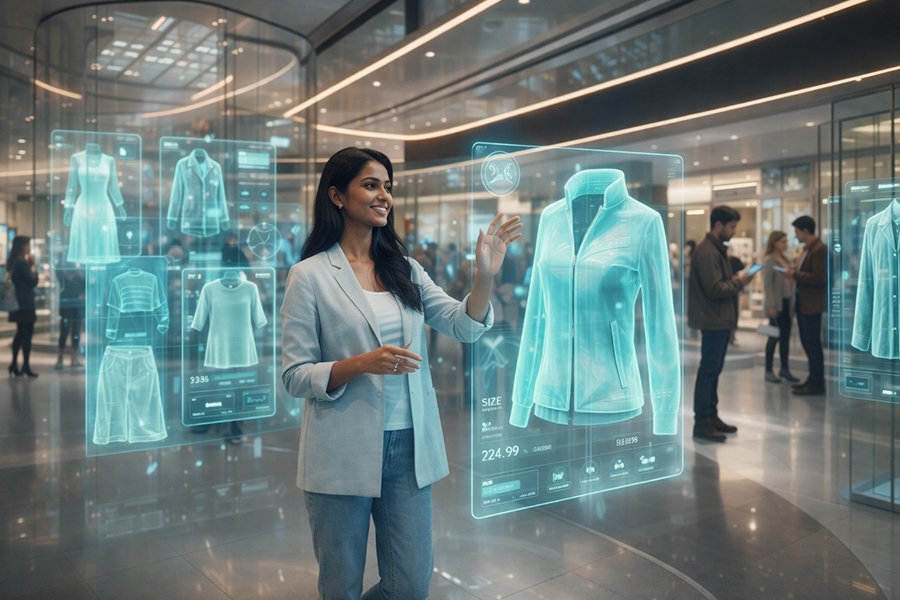
3D exhibitions help brands present products in motion and detail.
Ideal for technology, automotive, electronics and consumer products where explaining features visually matters.
Trade Shows
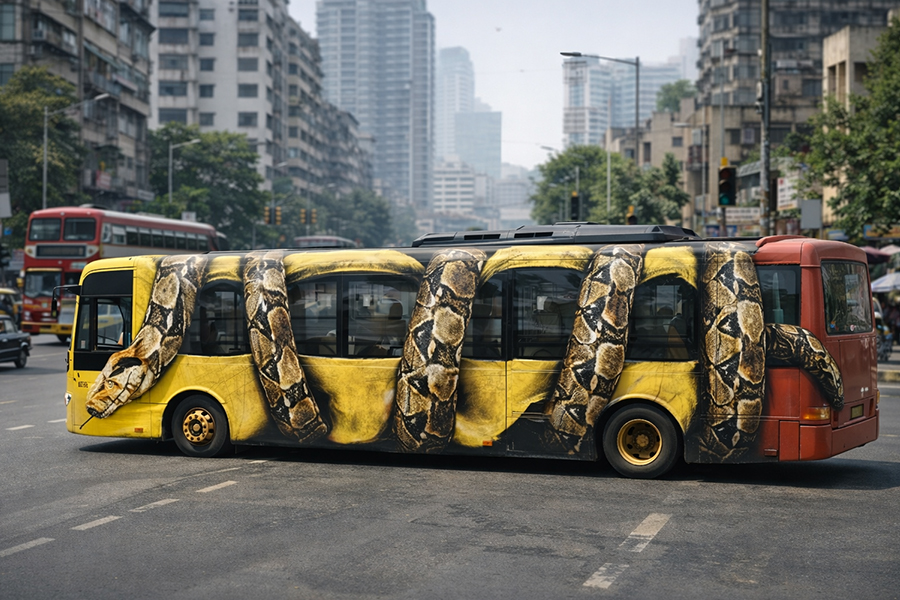
At crowded trade shows, 3D exhibitions attract attention from a distance and increase booth engagement.
They help brands stand out without relying on aggressive promotion.
Brand Exhibitions
For brand storytelling and showcases, 3D exhibitions create a premium environment that communicates innovation and design.
Museums
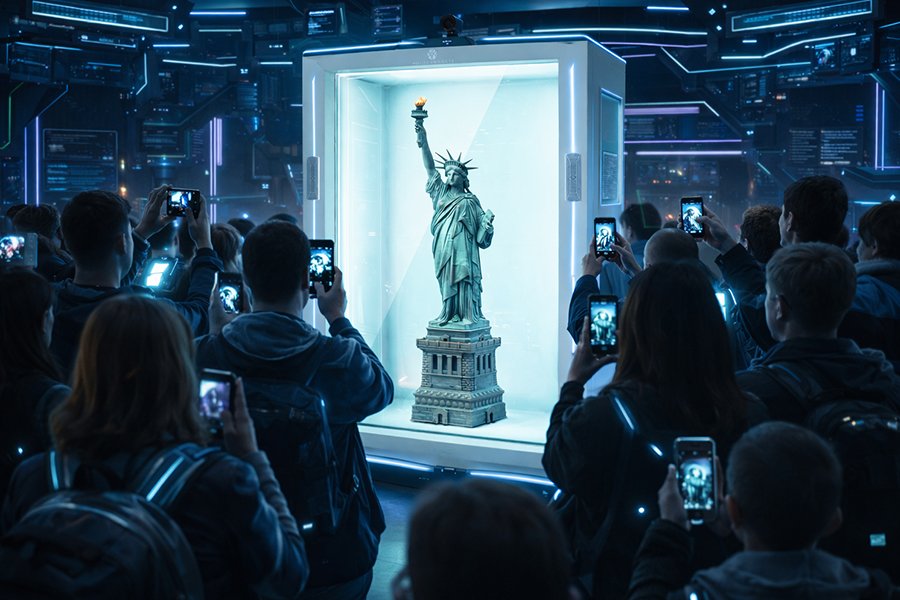
Museums use 3D exhibitions to recreate historical objects, artifacts and statues digitally while preserving originals.
Experience Centers
Experience centers rely on 3D exhibitions to educate visitors, explain processes and showcase concepts in an engaging way.
Corporate Events
At conferences and corporate events, 3D exhibitions help present ideas, products and innovations clearly to large audiences.
Permanent Showroom Installations
Permanent 3D exhibitions are used in showrooms and brand spaces to run continuously with easy content updates.
Technology Used in 3D Exhibitions
Holobox for 3D Exhibitions
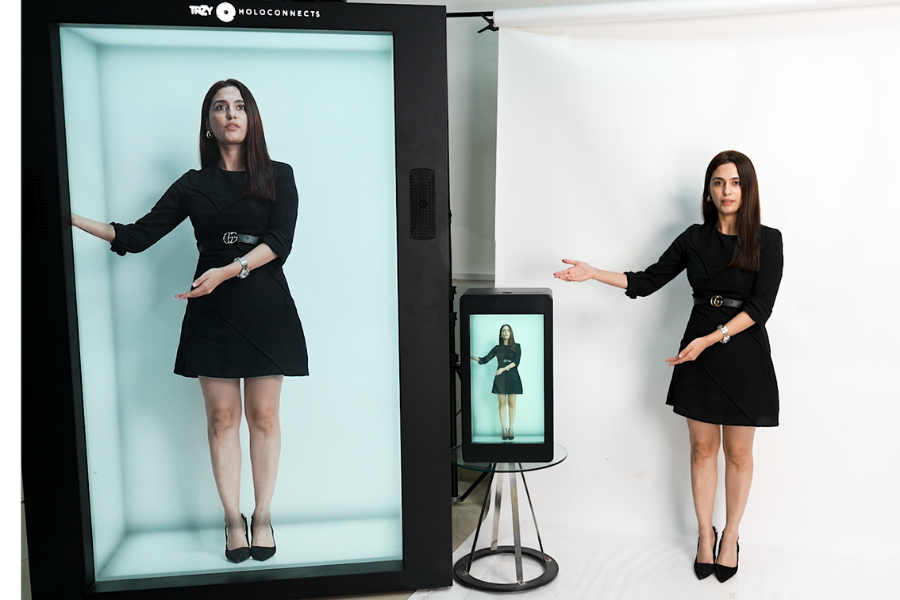
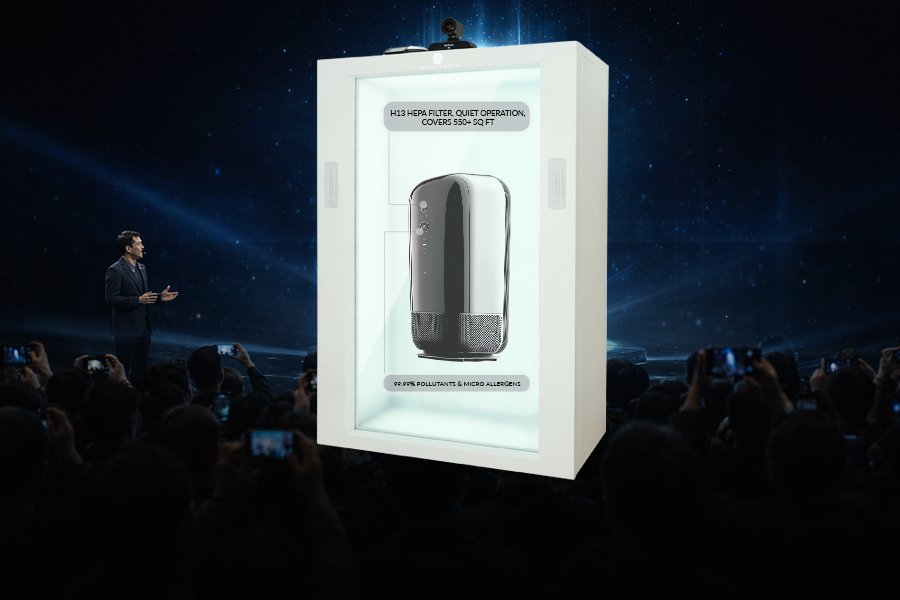
Holobox is Trzy X’s in-house 3D display technology used extensively in 3D exhibitions.
It allows products, figures and models to be presented clearly within compact and premium exhibition setups.
Holobox is suitable for:
- Events and product launches
- Exhibitions and brand spaces
- Museums and experience centers
- Permanent showroom installations
Other 3D Exhibition Technologies
Depending on the requirement, Trzy X also supports:
- Custom 3D display systems
- Projection-based 3D visuals
- Large-format visual installations
- Interactive exhibition technology
Each 3D exhibition setup is planned based on space, audience distance, duration and usage type.
Temporary and Permanent 3D Exhibition Setups
Temporary 3D Exhibitions
Used for:
- Product launches
- Trade shows
- Brand exhibitions
- Corporate events
These setups are designed for quick installation, smooth operation and easy removal after the event.
Permanent 3D Exhibitions
Used for:
- Museums
- Experience centers
- Corporate lobbies
- Showrooms
Permanent setups are built for long-term use with reliable performance and easy content updates.
How Trzy X Supports 3D Exhibitions
Trzy X provides end-to-end support for 3D exhibitions, including:
- Technology planning and consultation
- In-house Holobox deployment
- Custom 3D content creation
- Installation and execution
- Support for both events and permanent setups
Whether you need a single 3D display or a full exhibition setup, we provide the technology and expertise required.
Why 3D Exhibitions Are the Future
As exhibitions move toward experience-driven formats, 3D exhibitions are becoming the new standard.
They offer:
- Higher visitor engagement
- Clearer communication of ideas
- Flexibility across industries
- Modern and premium presentation
For brands and institutions that want visitors to stay longer and remember more, 3D exhibitions deliver real value.
Final Thoughts
3D exhibitions change how people see, understand and interact with products, art and models.
They replace static displays with engaging visual experiences.With in-house technology like Holobox and the ability to support multiple display formats, Trzy X helps create 3D exhibitions for product launches, trade shows, museums, experience centers, corporate events and permanent showroom installations across India.
Frequently Asked Questions
Where can 3D exhibitions be used?
3D exhibitions are widely used for product launches, trade shows, brand exhibitions, museums, experience centers, corporate events and permanent showroom installations.
Does Trzy X provide complete 3D exhibition services?
Yes. Trzy X provides end-to-end 3D exhibition services, including technology planning, in-house Holobox deployment, custom 3D content creation, installation and on-site execution.
What technology is used in 3D exhibitions?
Trzy X uses in-house technology like Holobox along with other 3D display and projection solutions. The technology is selected based on space, audience distance and whether the setup is temporary or permanent.
Are 3D exhibitions suitable for both temporary and permanent use?
Yes. 3D exhibitions can be created for short-term use such as events and product launches, as well as permanent installations for museums, experience centers and showrooms.
Can 3D exhibitions display any type of product or model?
Yes. Almost any type of product, statue, artwork, or digital model can be displayed in a 3D exhibition, including concepts that do not exist physically.
Does Trzy X offer 3D exhibitions across India?
Yes. Trzy X supports 3D exhibition setups across India, providing technology, content and execution for events and permanent installations nationwide.