
Events today are no longer just about gathering people in one place. In 2026, the success of an event depends on how well it delivers experience, interaction and efficiency.
Attendees now expect:
- Fast and frictionless entry
- Clear navigation within large venues
- Real-time updates and communication
- Interactive and immersive environments
- Personalized experiences
This shift has made event technology a core part of modern event strategy, not just a support function.
What is Driving Event Technology in 2026
The industry is moving from:
Execution-focused events → Experience-driven ecosystems
This change is driven by:
- Increased competition at exhibitions and conferences
- Shorter attention spans of attendees
- Demand for hybrid and multi-location participation
- Need for measurable engagement and ROI
As a result, brands are investing in event technology solutions that improve both backend operations and front-end experience.
Top Event Technology Trends and Solutions for 2026
1. AI-Powered Event Support Systems
Artificial intelligence is now deeply integrated into event operations.
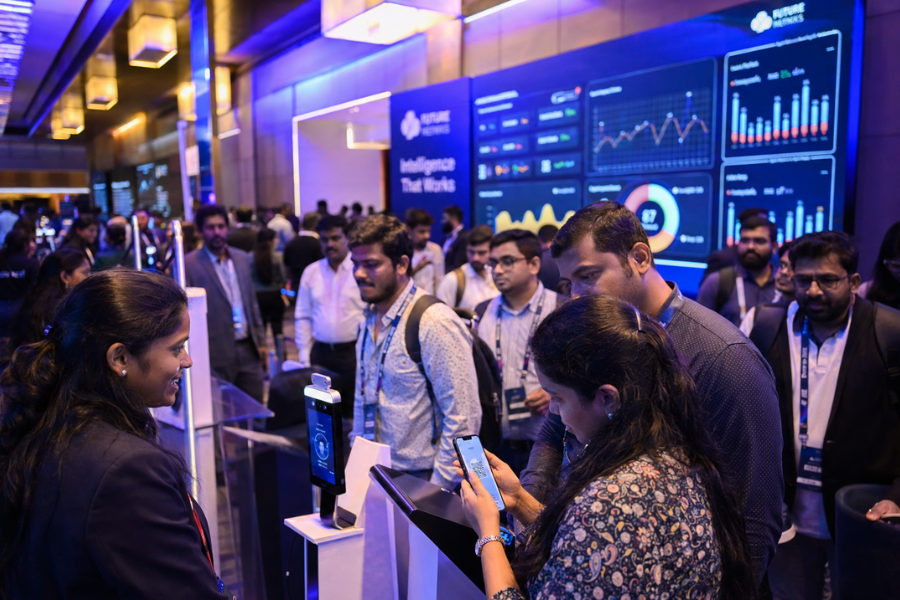
How it works:
AI tools connect with registration systems, attendee data and event schedules to automate key processes.
Key applications:
- QR or facial recognition-based check-ins
- AI chatbots handling attendee queries instantly
- Smart scheduling and session reminders
- Real-time analytics dashboards
Why it matters:
Reduces operational delays, minimizes manual errors and ensures a smoother entry and management process.
2. AI-Driven Attendee Personalization
Modern events are becoming personalized rather than generic.
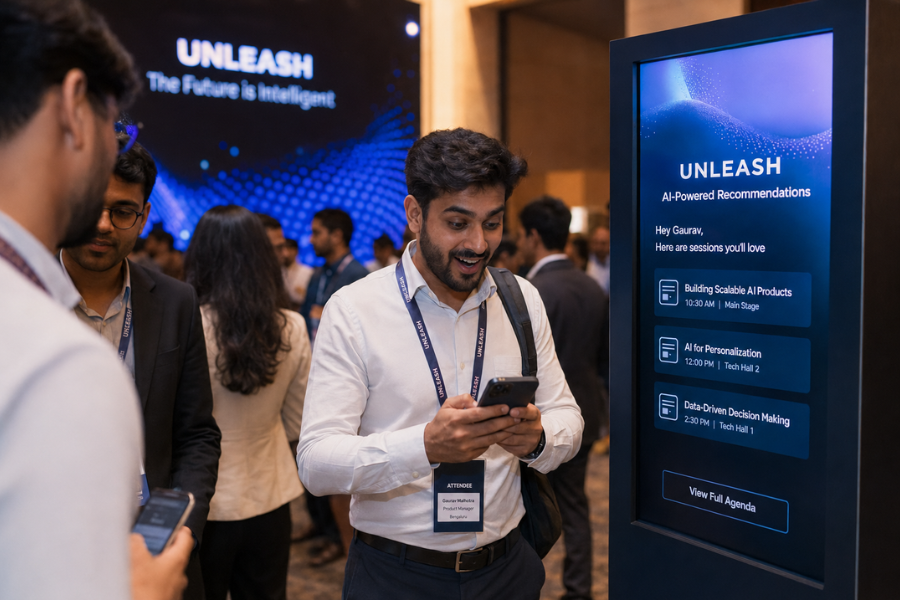
How personalization works:
AI analyzes attendee preferences, interests and behavior to customize their event journey.
Examples:
- Suggesting relevant sessions
- Recommending networking opportunities
- Sending targeted notifications
Impact:
Improves event attendee experience by making the event feel relevant to each individual.
3. Advanced Onsite Event Technology
Onsite technology directly impacts how attendees move and interact within the venue.
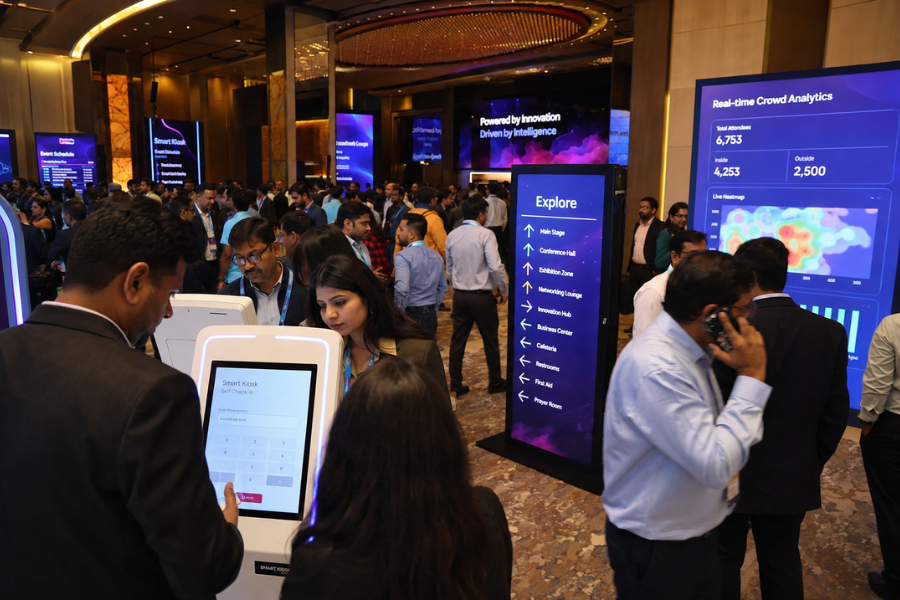
Key solutions:
- Digital kiosks for information and registration
- Smart wayfinding systems (maps + directions)
- LED and interactive display screens
- Real-time event dashboards
Practical benefit:
Reduces confusion, improves crowd flow and ensures attendees spend more time engaging rather than searching.
4. AR and VR Solutions for Events
AR and VR are among the most impactful game-changing event technology trends for 2026.
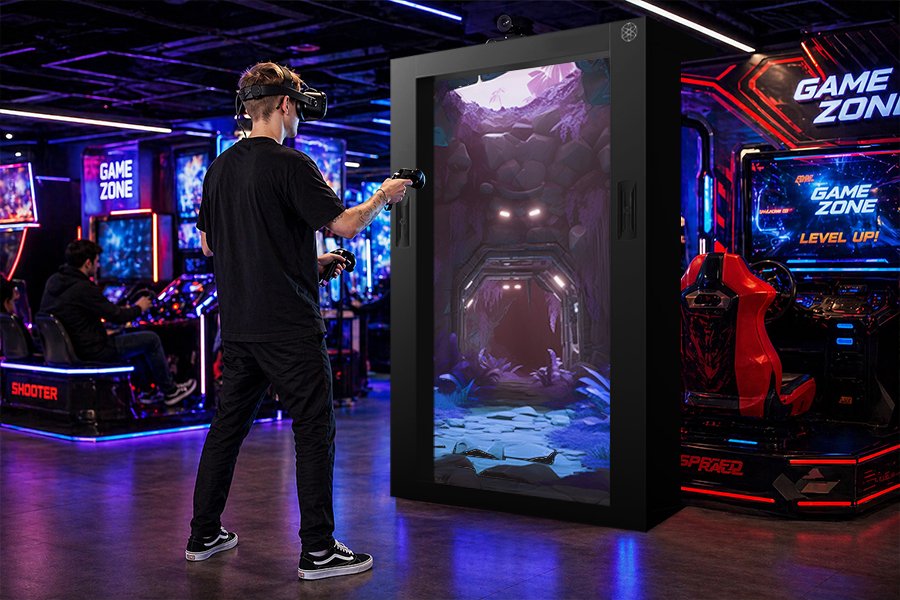
How brands use it:
- Showing products in virtual environments
- Creating immersive brand storytelling zones
- Simulating real-world scenarios for training
- Enhancing exhibition booth experiences
Why it works:
Instead of just explaining a concept, AR/VR allows attendees to experience it directly, increasing understanding and retention.
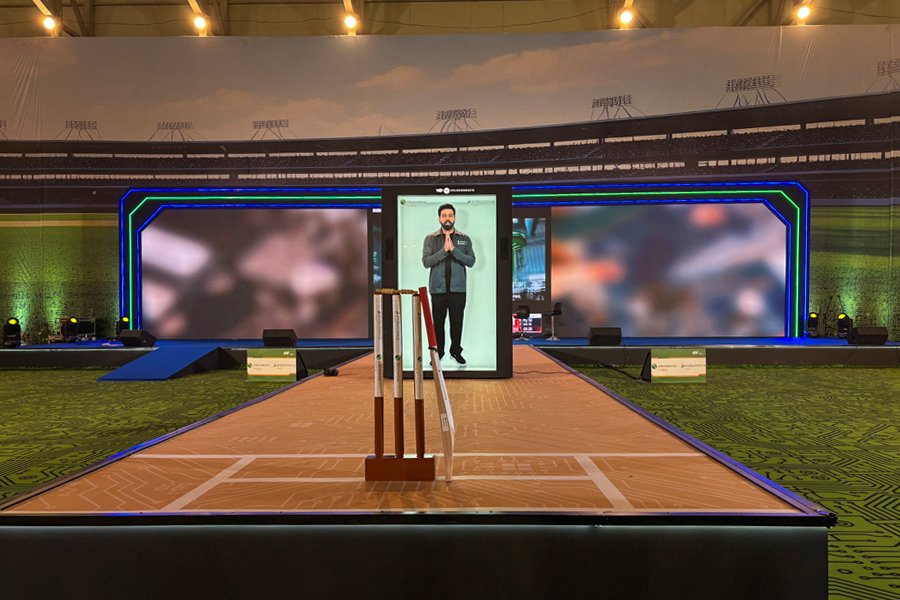
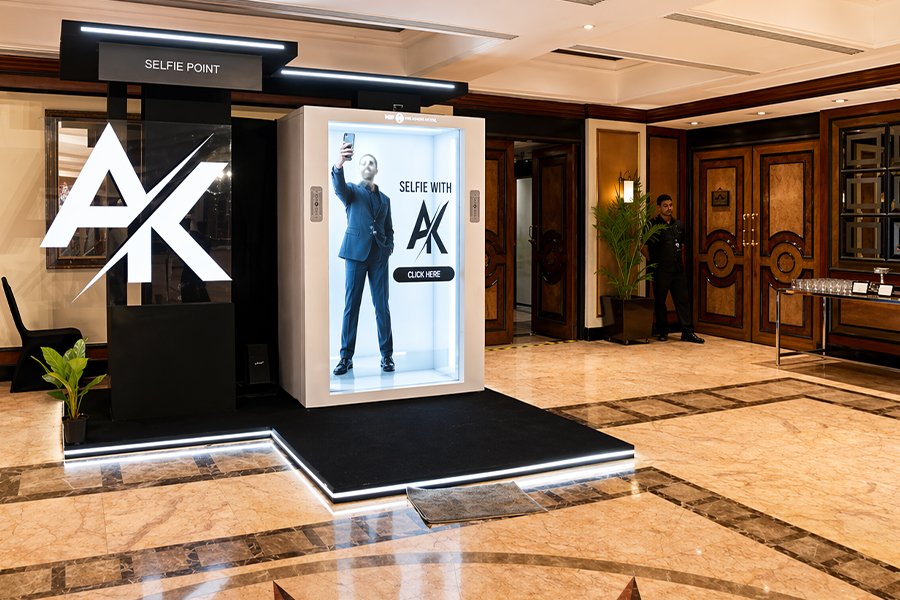
5. Hologram and 3D Display Technology
Hologram technology is becoming a strong differentiator in events.
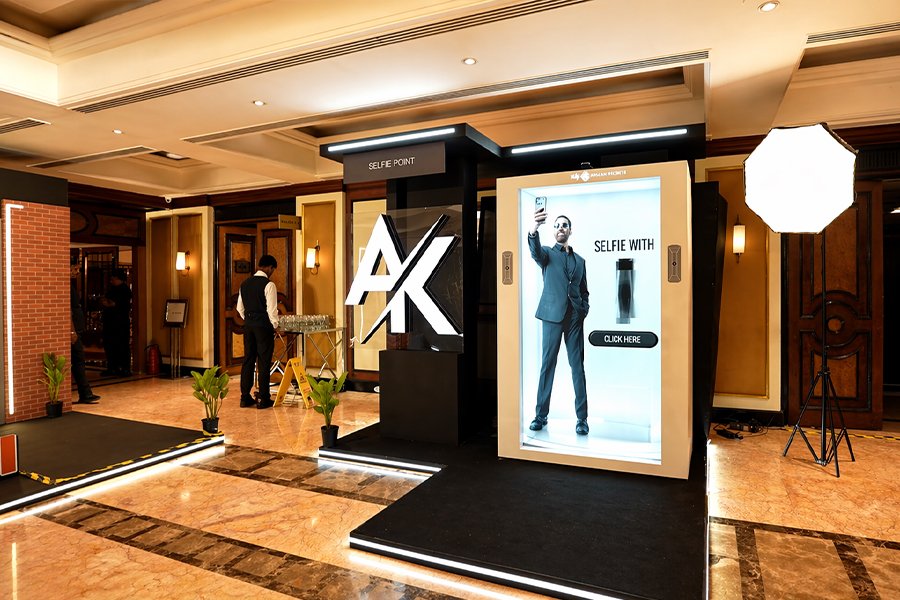
Includes:
- 3D hologram displays for products and visuals
- Live hologram speakers for remote presentations
- Virtual avatars and digital presenters
Use cases:
- Corporate events and conferences
- Product launches
- Trade shows and exhibitions
Impact:
- Attracts immediate attention
- Encourages social sharing (photos/videos)
- Creates a premium and innovative brand perception
6. Remote Speaker and Panel Integration
Events are increasingly hybrid.
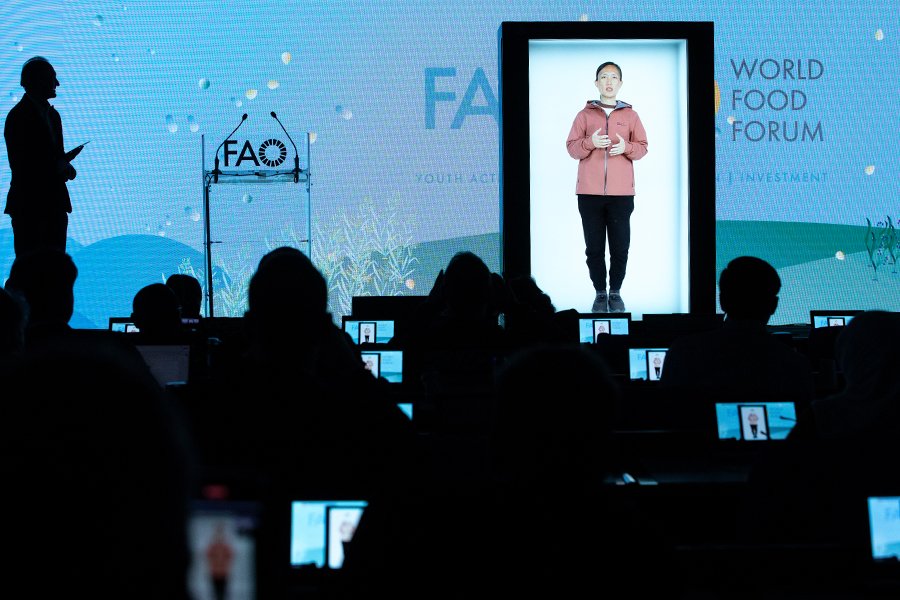
What this enables:
- International speakers joining remotely
- Cross-location panel discussions
- Flexible scheduling
Technical setup includes:
- High-quality streaming systems
- Stage integration with displays or holograms
- Real-time interaction tools
Benefit:
Expands reach while reducing logistical challenges.
7. Decentralized Micro-Event Streaming Solutions
Large events are now being broken into smaller, connected formats.
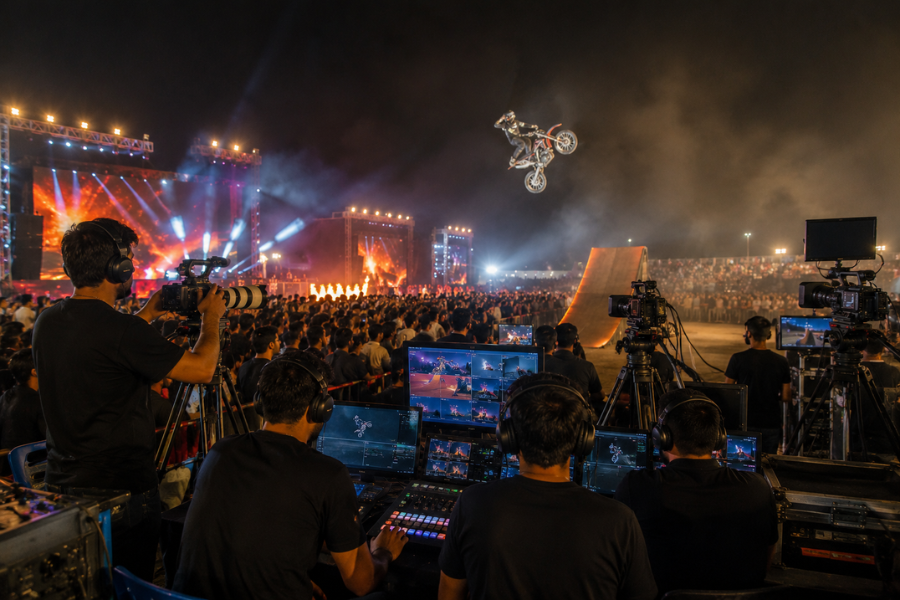
How it works:
- Central event + multiple local hubs
- Simultaneous streaming across locations
- Regional audience engagement
Why it’s important:
Allows brands to scale events across cities while maintaining a localized experience.
8. Live Language Translation and Captioning
Global and diverse audiences require inclusive communication.

Key features:
- Real-time speech translation
- Live subtitles on screens
- Multi-language support
Where it is used:
- International conferences
- Government and corporate events
- Educational seminars
Impact:
Improves understanding and accessibility for all attendees.
9. Interactive Engagement Technologies
Engagement is now a measurable metric.
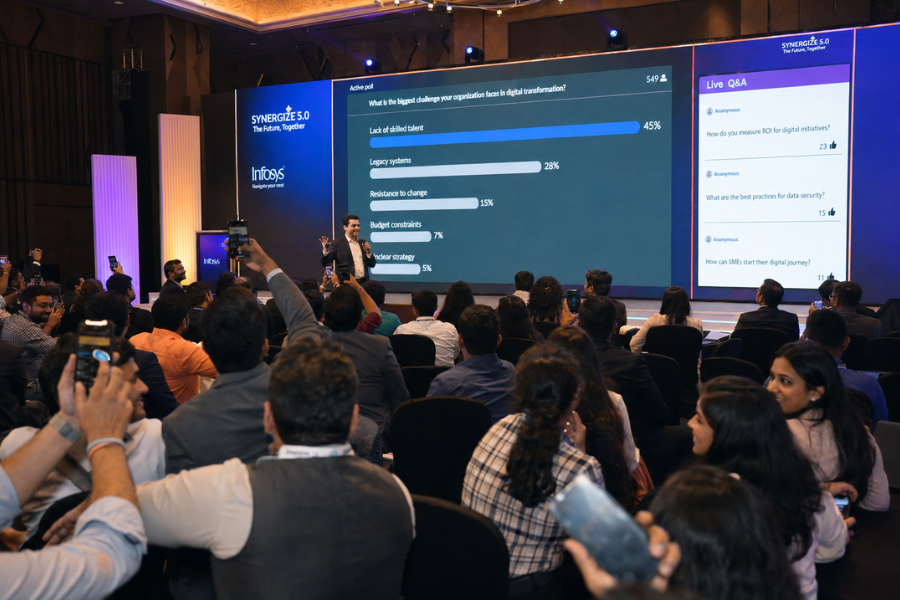
Tools include:
- Live polling systems
- Q&A platforms
- Gamification elements (points, rewards)
- Gesture-based or touchless interaction
Why it matters:
Encourages active participation instead of passive viewing, increasing retention.
10. Data-Driven Event Intelligence
Events are now analyzed like digital platforms.
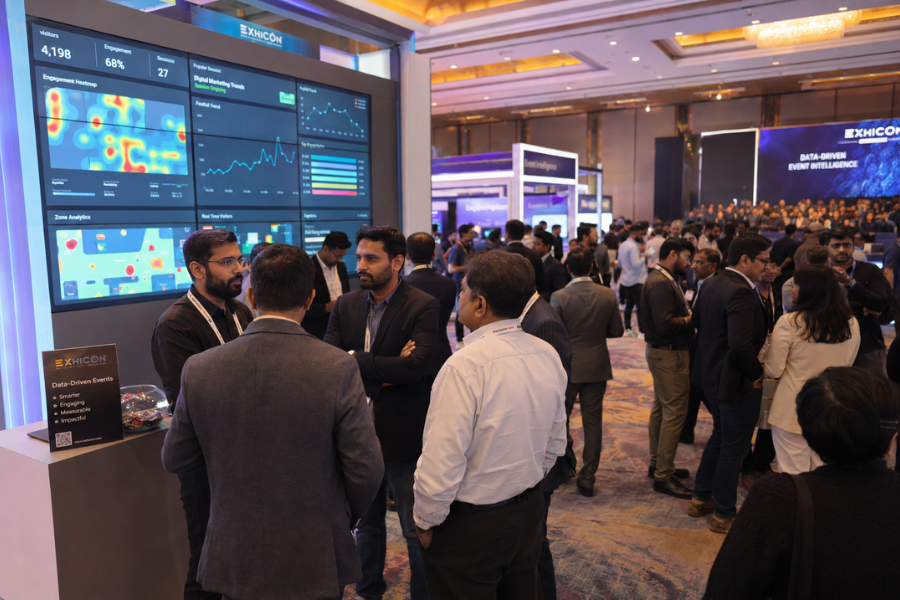
Data collected includes:
- Visitor footfall and movement
- Engagement heatmaps
- Session popularity
- Time spent per zone
How brands use it:
- Improve booth design
- Optimize event layout
- Measure ROI
11. Automation Across Event Operations
Automation ensures consistency and speed.
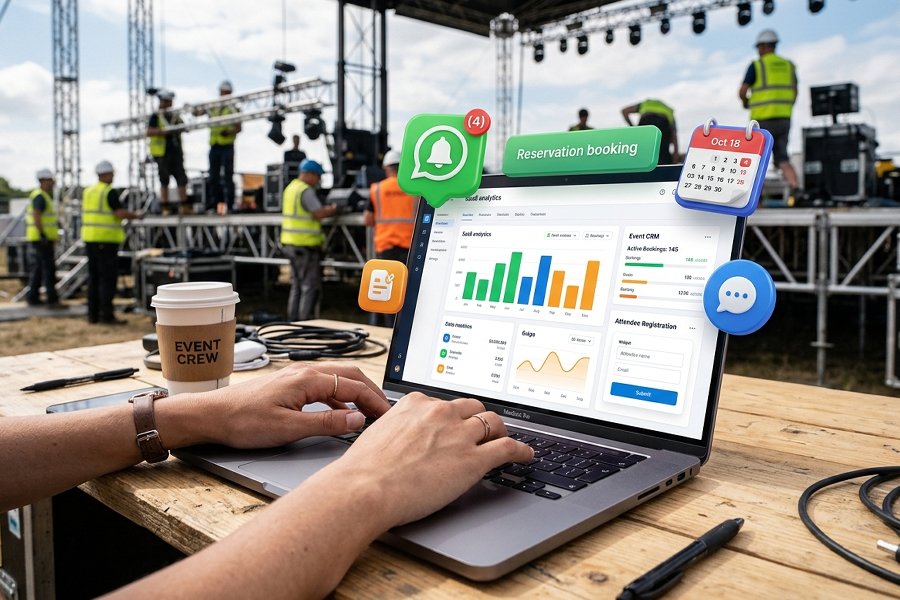
Includes:
- Ticketing and registration automation
- Email and SMS workflows
- Event scheduling systems
Benefit:
Reduces manual workload and ensures smooth coordination.
12. Integrated Event Technology Ecosystems
The future is about connected systems.
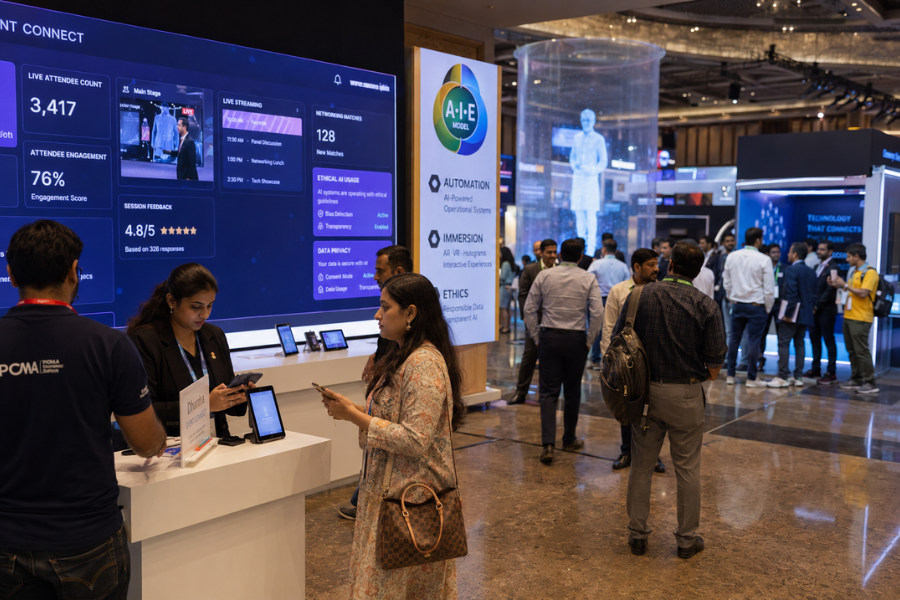
What gets integrated:
- Registration + CRM
- Engagement tools + analytics
- Streaming + onsite displays
Outcome:
Creates a seamless, unified event experience where all systems work together.
The A-I-E Model: A Practical Framework
A simplified approach to modern event technology:
Automation
AI-driven systems for operational efficiency
Immersion
AR, VR, holograms and interactive technologies
Ethics
Responsible data usage and transparency
This model ensures balanced and sustainable event technology integration.
How Trzy X Delivers Event Technology Solutions
At Trzy X, event technology is implemented with a focus on practical execution and measurable impact.
Our process:
- Understanding event objectives and audience
- Recommending suitable technologies
- Designing content aligned with the technology
- Managing complete onsite setup and execution
Solutions we provide:
- AI-enabled event systems
- Hologram and 3D display technology
- AR/VR experiences
- Interactive engagement tools
We support:
- Corporate events
- Product launches
- Exhibitions and trade shows
- Experiential marketing campaigns
Why These Trends Matter for Your Event
In 2026, event success depends on:
- Experience quality → How engaging the event feels
- Interaction level → How much attendees participate
- Execution efficiency → How smoothly everything runs
Using the right event technology solutions helps:
- Increase engagement
- Improve communication
- Strengthen brand recall
- Deliver measurable results
Conclusion: The Future of Events
The latest event technology trends for 2026 clearly show that events are becoming:
✔ Intelligent
✔ Immersive
✔ Connected
Brands that adopt these technologies will create events that are not just organized but experienced, shared and remembered.
Frequently Asked Questions
What are the latest event technology trends for 2026?
The latest event technology trends for 2026 include AI-powered event systems, immersive AR/VR experiences, hologram displays, hybrid event formats, real-time analytics and interactive engagement tools.
How does AI improve event management?
AI improves event management by automating registration, handling attendee queries through chatbots, providing real-time updates and analyzing data to optimize event performance and attendee experience.
What is onsite event technology?
Onsite event technology includes tools and systems used at the event venue such as digital kiosks, smart navigation systems, interactive displays and real-time dashboards to improve attendee movement and engagement.
How do AR and VR solutions help in events?
AR and VR solutions create immersive experiences where attendees can interact with products, explore virtual environments and understand concepts more effectively compared to traditional displays.
What is the role of hologram technology in events?
Hologram technology is used to create 3D visual displays, virtual speakers and product presentations that attract attention, increase engagement and enhance brand perception at events.
What are technology-based event solutions?
Technology-based event solutions include AI tools, holograms, AR/VR experiences, interactive engagement systems and integrated platforms that help manage and enhance modern events.
What is hybrid event technology?
Hybrid event technology allows events to combine physical and virtual participation, enabling remote speakers, live streaming and multi-location audience engagement.
Why is attendee experience important in modern events?
Attendee experience is important because it directly impacts engagement, satisfaction and brand recall. A well-designed experience encourages interaction and makes the event more memorable.
How can event technology improve engagement?
Event technology improves engagement through interactive tools like live polls, gamification, real-time Q&A, immersive displays and personalized event journeys.
What is the A-I-E model in event technology?
The A-I-E model stands for Automation, Immersion and Ethics. It represents a balanced approach to event technology by combining efficient systems, engaging experiences and responsible data usage.
What services does Trzy X provide in event technology?
Trzy X provides end-to-end event technology services including planning, technology integration, content design and onsite execution for corporate events, exhibitions and brand activations.